RepOcean verifies that the original source of the review is Google.
Rob created a fantastic cartoon for my business that I intend to use across social media. His work perfectly captures the light-hearted humour of my brand, whilst also communicating the benefits of working with me.
Working with Rob was a joy; he happily integrated the feedback I provided, turned the work around quickly, and clearly enjoyed the creative challenge.
RepOcean verifies that the original source of the review is Google.
Rob has exceeded my already high expectations with this commission.
I am delighted with the final artwork and thoroughly enjoyed working with Rob throughout the creative process adding details and Easter eggs. Rob has captured the picture in my mind and enhanced it. I am over the moon with ‘All the things I Love’ artwork. Thank you so much Rob. X
RepOcean verifies that the original source of the review is Google.
A big shoutout to Rob at Moving Cartoons. Finding someone who can do a custom classic car illustration that actually looks like your car (quirks and all) is rare. Rob is a true professional and great to work with. You’ll love the personal touches he adds, it makes the car cartoon art feel very personal and unique. If you want a bespoke gift for friends and family or a personalised car cartoon that stands out on the grid, look no further. Highly recommended!
RepOcean verifies that the original source of the review is Google.
Rob has been great. He really took the time to understand what I was looking, for keeping me involved and offering advise on what would have the most impact with my LinkedIn header. Since putting it live I have had a number positive comments about having something more creative and engaging vs what people normally do. I'd be more than happy to recommend Rob's services in creating some creative images for your project
RepOcean verifies that the original source of the review is Google.
Rob is a great guy, very friendly and welcoming. In conversation we spoke about my Norwich blinds business, and the pets we have at home - one being a macaw. He then created a fabulous cartoon image of a blue & gold macaw, perched precariously on a roller blind. It's fabulous and I've used it on our social media posts which gained lots of engagement. Rob's work is incredible and I wouldn't hesitate to recommend - thank you Rob!
RepOcean verifies that the original source of the review is Google.
Brilliant bespoke illustrations for our major careers event!
I worked with Rob Middleton at Moving Cartoons to create bespoke illustrations for the Norfolk Chambers Future Careers Expo, one of our flagship events, targeting over 5,500 students.
Unlike our more formal B2B events, this audience called for something fun, engaging and approachable, and Rob delivered exactly that.
He created custom cartoon images of students in a range of different vocational hats, perfectly tailored to our audience and brand tone. The illustrations were used across all our promotional materials and featured in the main showguide handed out to every single student on the day.
Rob clearly understood the brief from the outset. The artwork struck exactly the right balance between professional and playful. The quality was great, the process was smooth, and the end result genuinely elevated our event materials. The feedback from students and exhibitors alike was really positive.
If you're looking for bespoke cartoon illustrations that are creative, high quality and delivered with professionalism, I wouldn't hesitate to recommend Robbo at Moving Cartoons!
RepOcean verifies that the original source of the review is Google.
We needed something different for our next email. I called Rob and after a couple of changes it was perfect. We got a great response from this very personised email. Thank you Rob
RepOcean verifies that the original source of the review is Google.Verified by RepOcean
As drawn for:
AC Car Cartoons
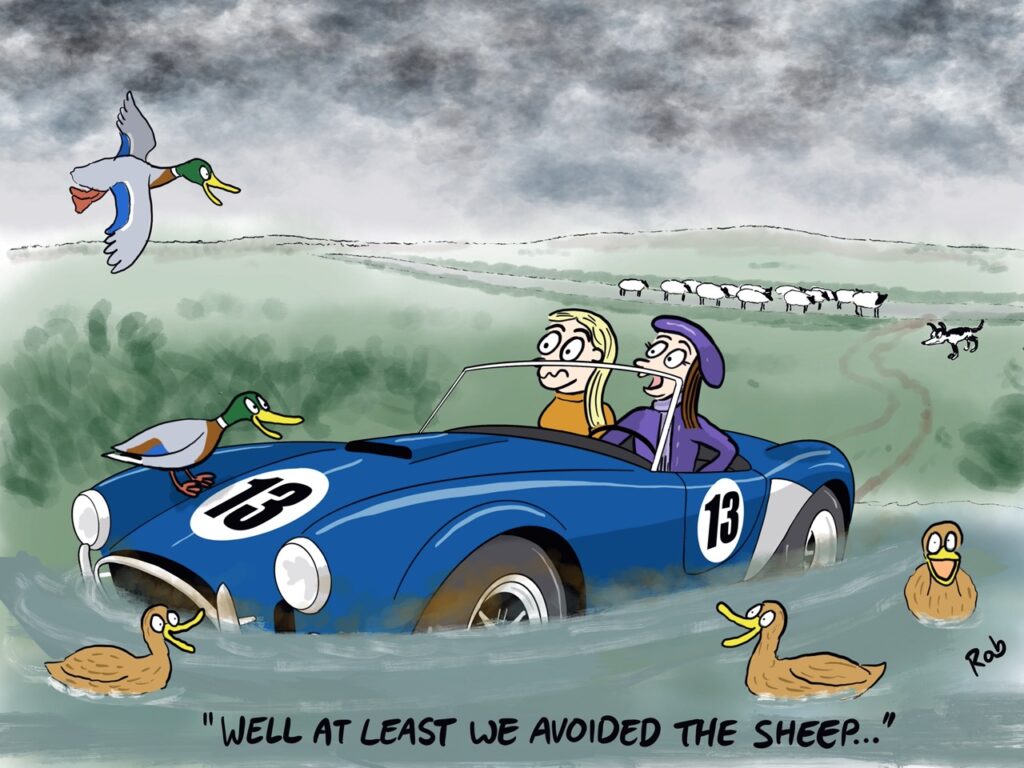
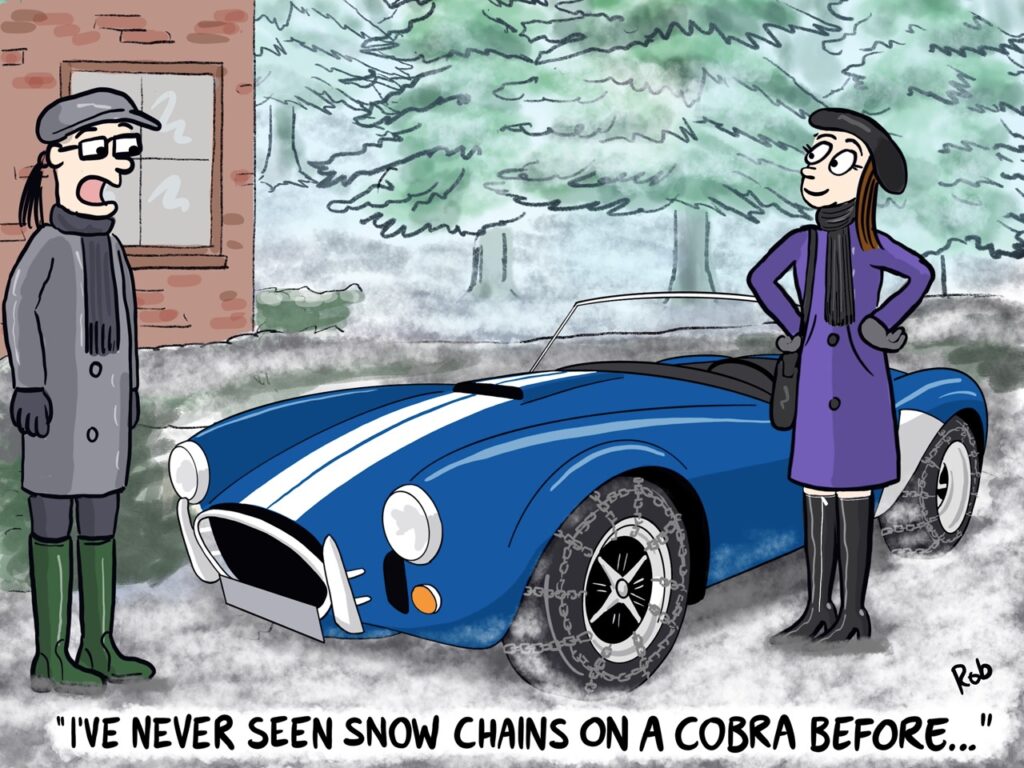
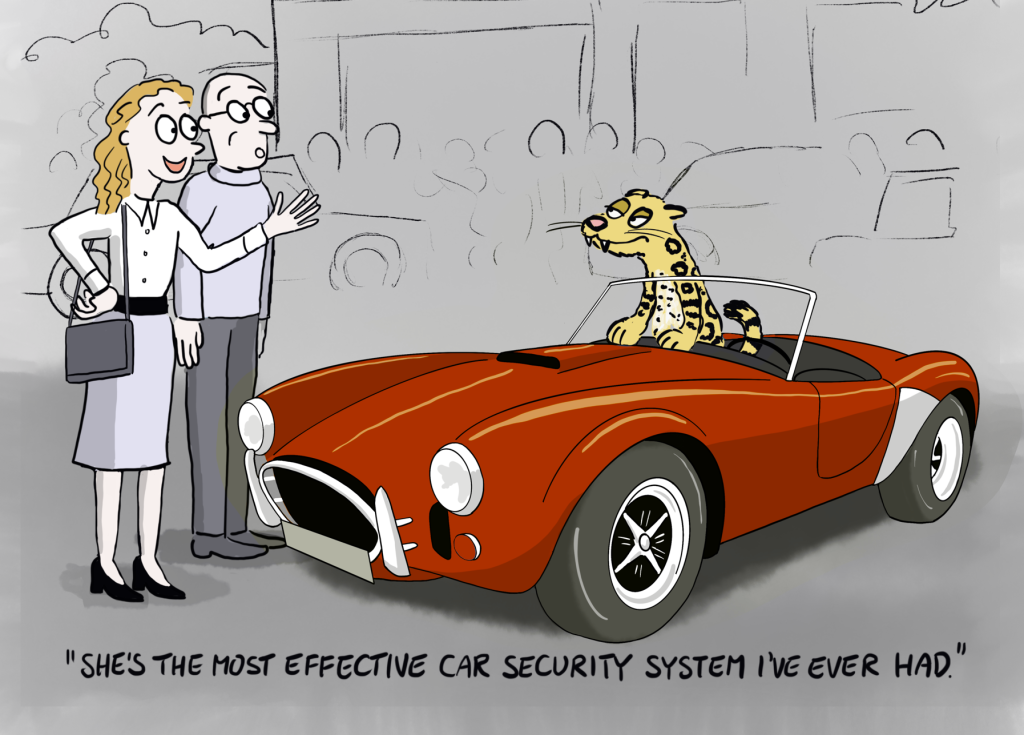
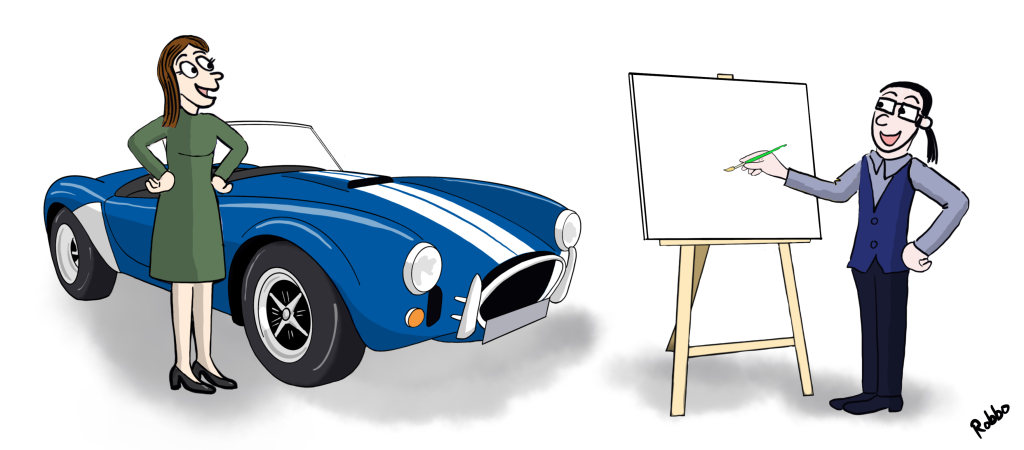
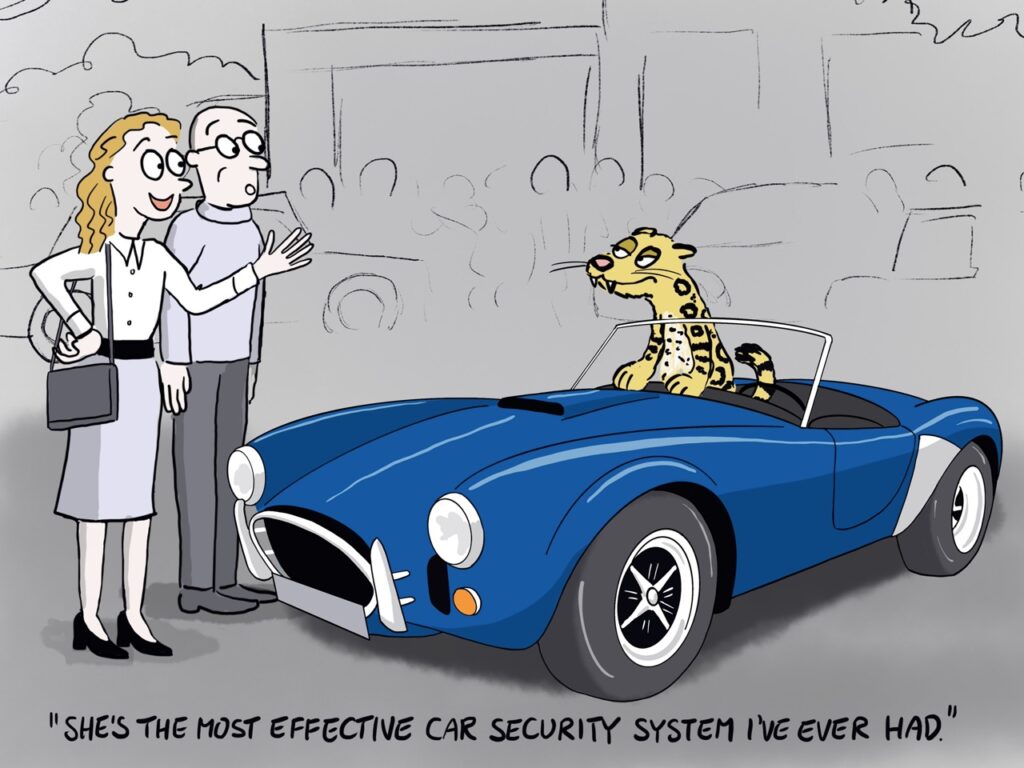
The AC Cobra is one of the most characterful sports cars in the world – bursting with personality. Cobra owners have been known to be interesting characters too!
And what better than a cartoon to capture such character, along with memorable motoring moments. While AC is most well-known for Cobra, they’ve also produced other distinctive models such as the Ace and the Aceca.
Cartoons capture what photos can miss
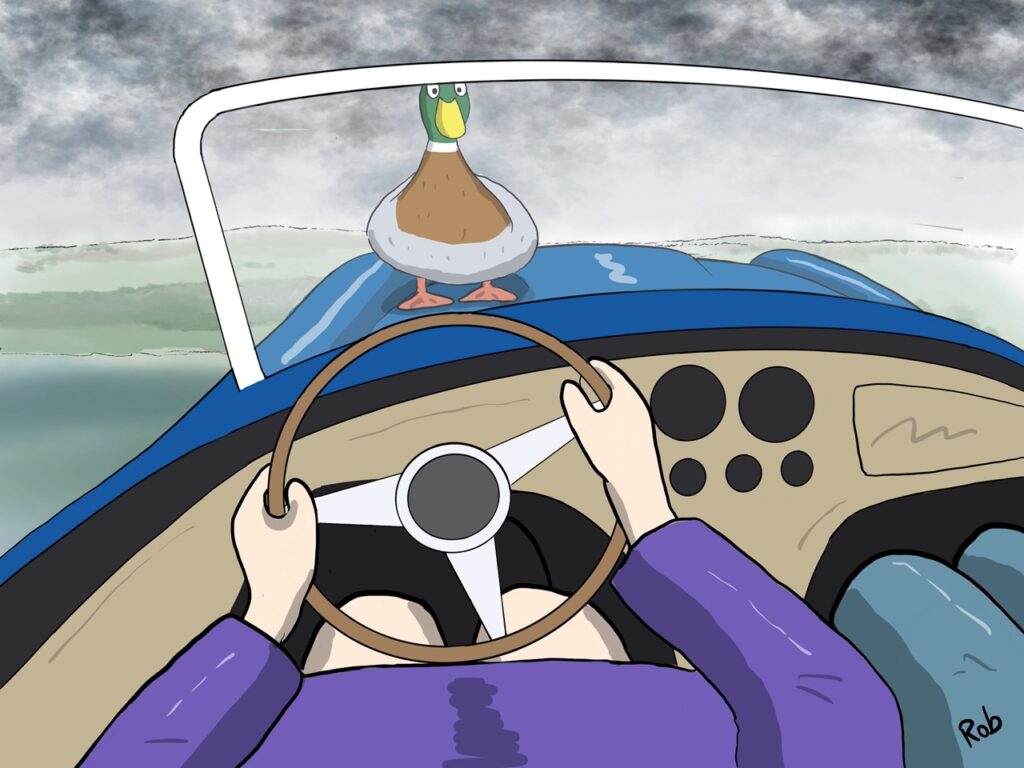
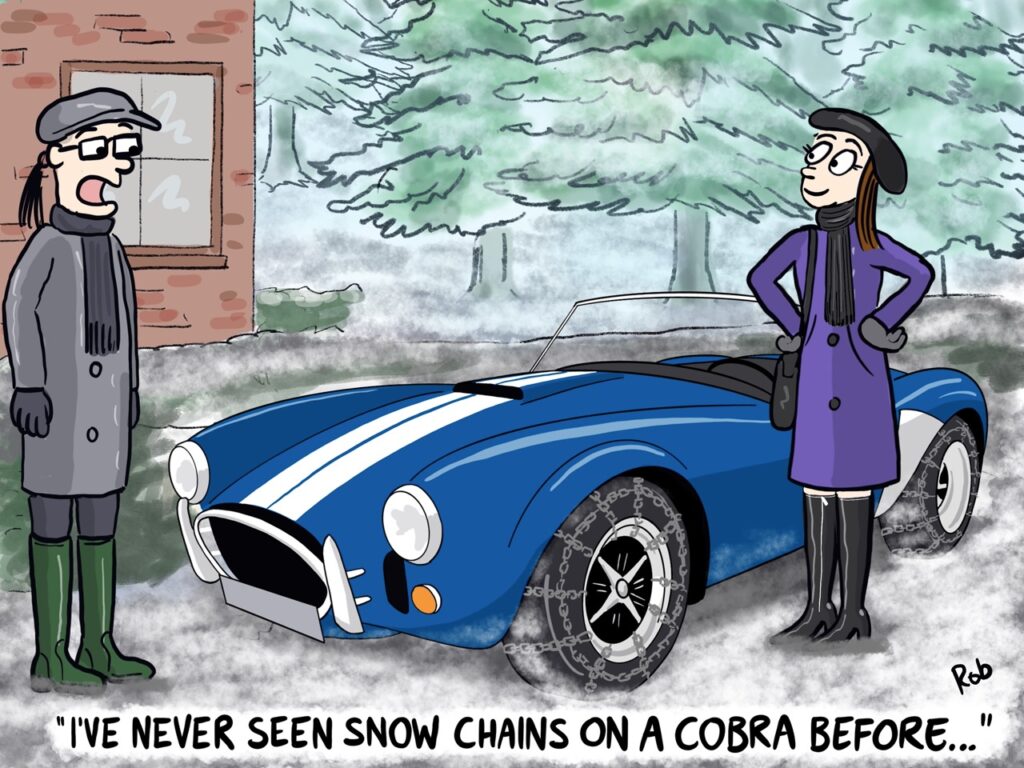
A photograph records a moment. A cartoon brings it to life. From a special jaunt to the country and the look on someone’s face when they reached the destination. Or perhaps there’s a family or car club in-joke about your AC. Unlike a photograph, a cartoon can capture a moment the camera missed…or can exaggerate a situation for comic effect. Cartoons can really help to capture the character of the car and not just the appearance. Cartoons are great social moments – people laugh, they love showing friends, they display it proudly and talk about it with friends. There are so many mass-produced gifts, and searching around for something unique can be time-consuming – so instead I can create something specially for you that will carry real emotional weight. Whether your Cobra is replica or real, the passion is still the same – and your feelings about your car can be captioned in a cartoon for all to see.
The perfect gift for AC enthusiasts
Whether it’s a gift for a Cobra-owning partner, parent or friend — or a way to celebrate your own connection to one of the world’s most well-known sportscars — a personalised AC Cobra cartoon is something genuinely unique and deeply personal. Not only that, but it’s a reminder of a memorable motoring moment every time you glance at the cartoon hanging on the wall.
Birthdays, anniversaries, Christmas, retirement — a personalised cartoon works for any occasion. And because every commission is different, no two cartoons are ever the same. It’s not just a gift. It’s a story told in cartoon form.
Every AC has a story worth capturing
It could be a car that’s been in your family for a couple of generations, or a project that you’re currently building, every Cobra has a tale to tell – hopefully of joy, but classic car owners usually have a words of woe to say about their car as well.
But more than the car itself, it’s your story that matters. Maybe it’s the first time you saw one and realised immediately that it was the car for you, or sat behind the wheel…and fired up that engine. The club trip you’ll never forget. The moment you finally found the exact model you’d been searching for….for ages. Or simply a Sunday morning spin in the countryside.
Whatever you and your car’s story — a personalised cartoon captures it in a way nothing else can.
Anything goes in a cartoon
I don’t just draw the car. I can put you, your dad, your partner, or Uncle Fred behind the wheel — full-throttle Fred, they used to call him….in fact they still do. I could even add your dog hanging out of the window, taking in the countryside air…ears flapping in the wind.
The background can feature a favourite scenic spot, somewhere you’ve driven past on a club run or holiday tour, your house, or something more stylish or stylized altogether. The possibilities are genuinely endless — and that’s what makes a cartoon so different from a photograph. With a cartoon, there’s huge artistic flexibility, and the result is something completely and uniquely yours.
Where does the art end up?
Imagine the cartoon framed and hanging on the garage wall…or perhaps the spare bedroom…it might even be pride of place in the hallway or dining room. Cartoons are often popular items to put in the loo. And of course it could go on the wall of the man-cave along with lots of other motoring memorabilia. No matter what the final hanging space, cartoons are a stunning gift that become a talking point wherever they’re displayed.
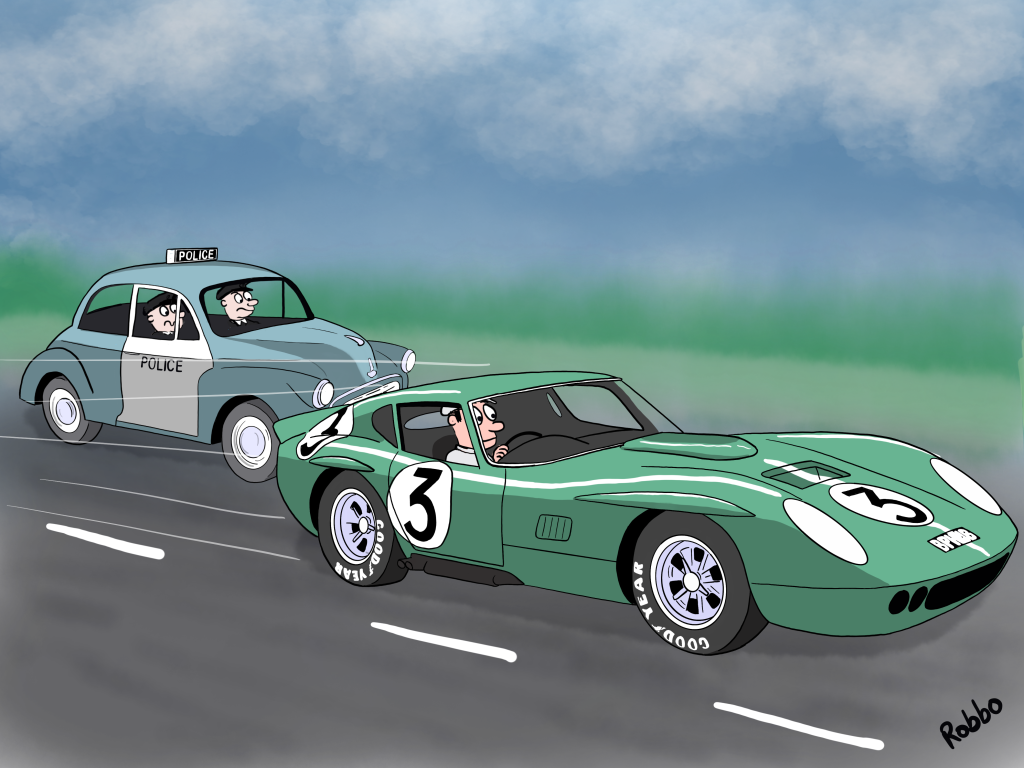
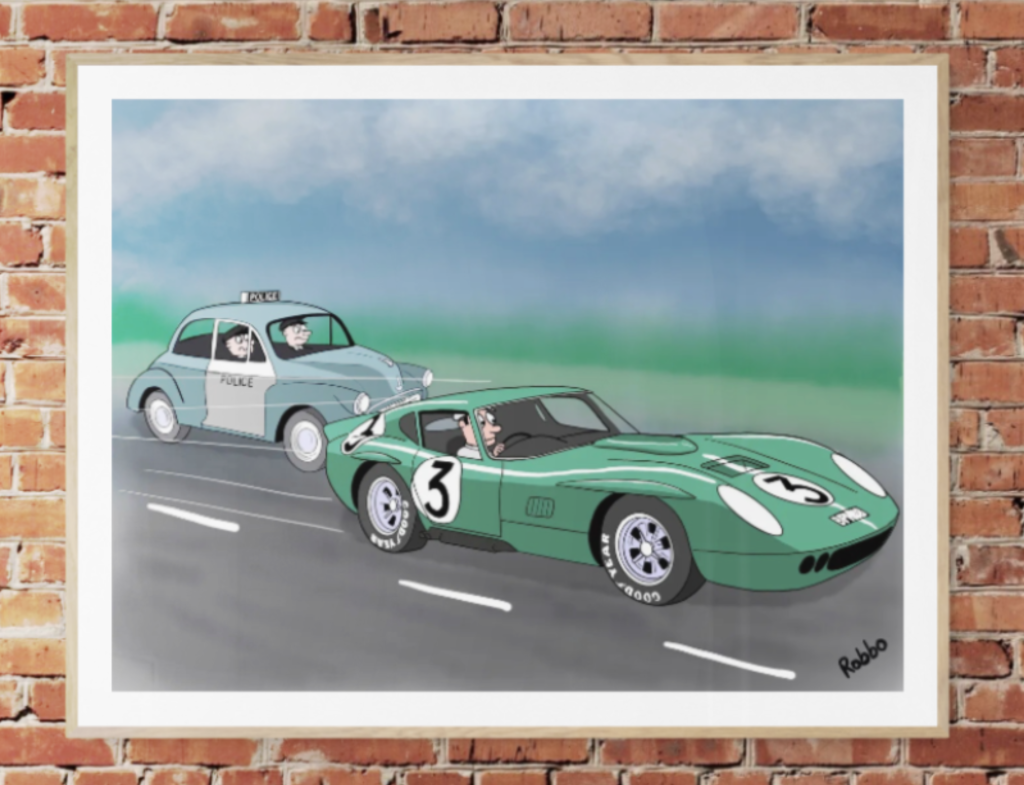
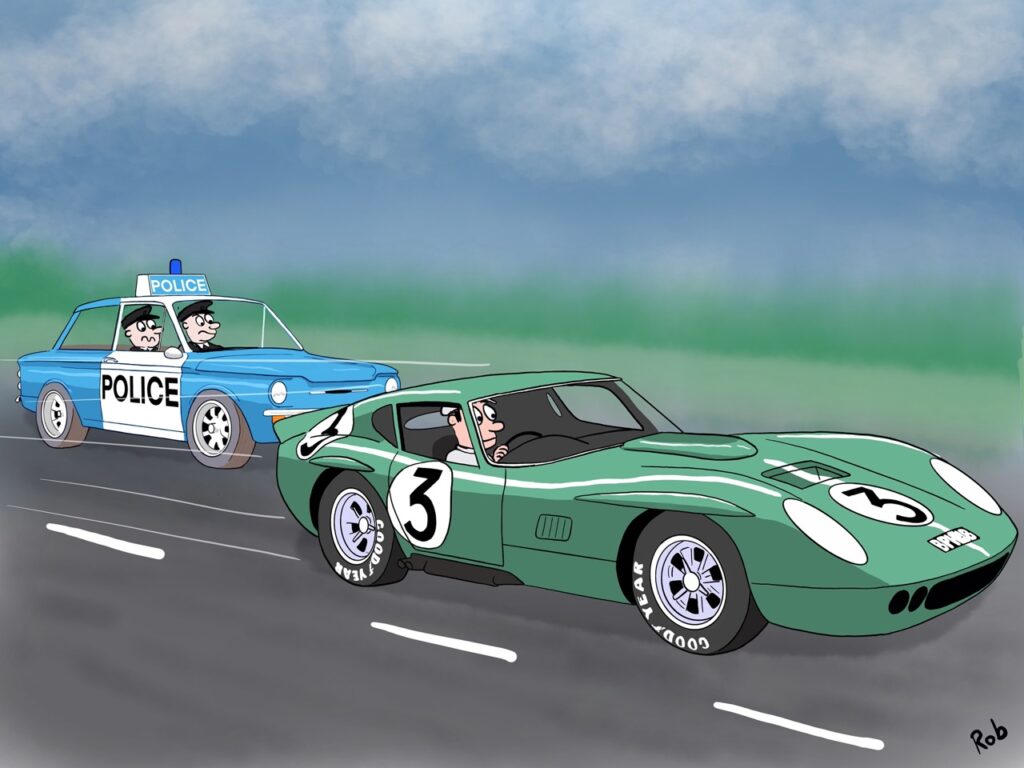
CASE STUDY – 185mph on the M1…in 1964
In this case study, the client wanted to commission a cartoon to capture a memorable motorsport moment.
In 1964 AC were preparing their AC Cobra Coupé to enter the Le Mans 24hr race. However, they couldn’t find anywhere in Britain long enough to replicate the long Mulsanne straight that is such a key feature of the race. Until they hit upon the idea of using the newly opened M1 motorway…
Just after 4:00am on 11 June 1964, driver JAck Sears took the Coupé out and hit 185mph. The story might well have remained a secret, only an AC employee ended up mentioning it in a Fleet Street wine bar, which resulted in the escapade hitting the papers. It may well have even been a factor in the 70mph motorway speed limit being introduced in 1967.
Although no police were involved in the original incident, the client requested a Morris Minor police car making a valiant but futile attempt at pursuit.
Here’s how it could look on your wall
How it works
The process is straightforward and enjoyable. Get in touch and tell me about your AC — the model, the colour, your registration number, and any special details, memories or in-jokes you’d like included. The more you tell me, the more personal the result.
I’ll come up with ideas for you to choose from, or bring your own vision to life exactly as you imagined it. Once you’re happy with the concept, I’ll draw the cartoon and share it with you for approval before delivering a high-quality digital file, ready to print and frame at any size you choose.
Most commissions are completed within one to two weeks — though I’m always happy to discuss tighter deadlines if you need something for a specific occasion.
AC Cobra cartoon commissions come from owners wanting to celebrate their car, partners looking for the perfect birthday gift, and enthusiasts who simply want something on the wall that captures their passion.
Prices from £129. Get in touch to start your commission today.