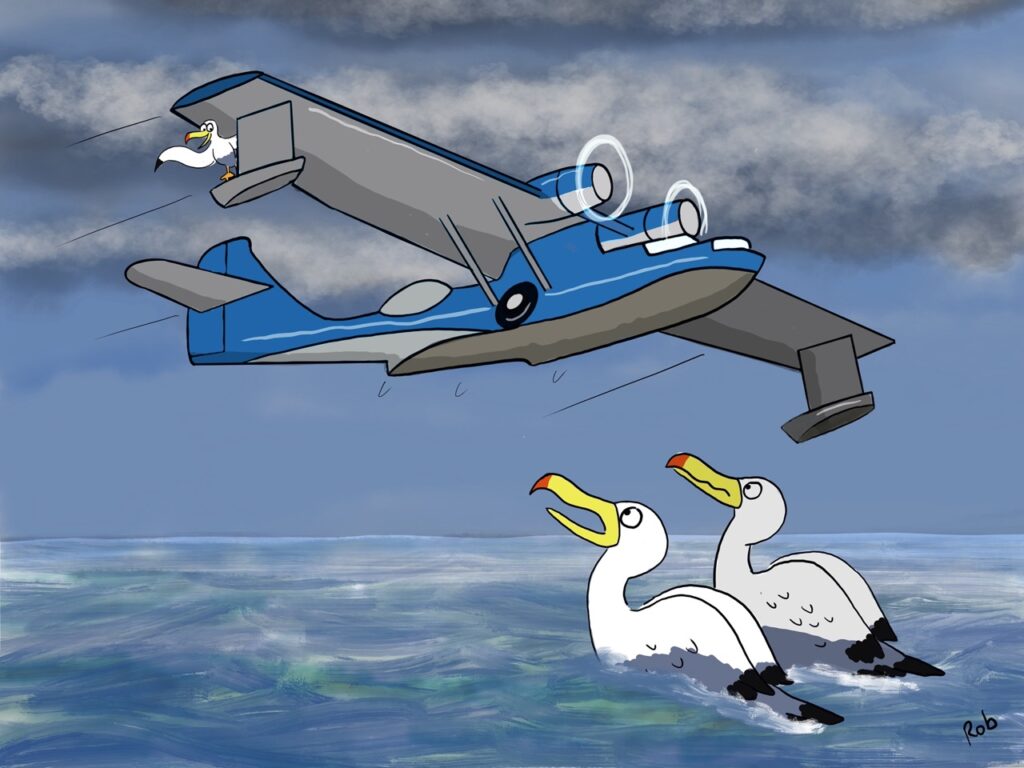
Catalina
The PBY Catalina became World War II’s most famous flying boat. American-designed, used by multiple nations, exceptionally long range. Patrol bomber, submarine hunter, rescue aircraft – did everything.
Thousands built. Reliable, capable, could operate far from bases. Just needed sheltered water for takeoff and landing. Perfect for Pacific island campaigns.
Catalinas rescued downed aircrews from the ocean. That alone justified their existence. But they also sank submarines, spotted fleets, performed reconnaissance. Versatile aircraft.
Short Sunderland
Britain’s main maritime patrol flying boat. Large, capable, well-armed. German pilots called it the “Flying Porcupine” because it bristled with defensive guns.
Crews lived aboard during long patrols. Proper galley, bunks, almost comfortable. Patrolling for hours over the Atlantic required that.
Sunderlands served into the 1950s. Reliable, effective, did the job. Some became civilian airliners after the war.
Civilian Flying Boats
Imperial Airways and Pan Am operated flying boat airlines in the 1930s. Luxurious travel across oceans, landing in harbors worldwide. Proper beds, dining rooms, elegance at altitude.
Slower than land planes but who cared? The journey was the point. Flying boats offered adventure and comfort.
That ended when long-range land planes became reliable. Hard to compete with faster aircraft that could use proper airports.
Modern Seaplanes
Seaplanes still exist. Bush flying in Canada and Alaska uses them extensively. Access remote areas without runways. Essential transport where roads don’t exist.
Fire-fighting aircraft are often converted flying boats or amphibians. Scoop water from lakes, drop it on fires. Purpose-built for the job.
Your Seaplane Connection
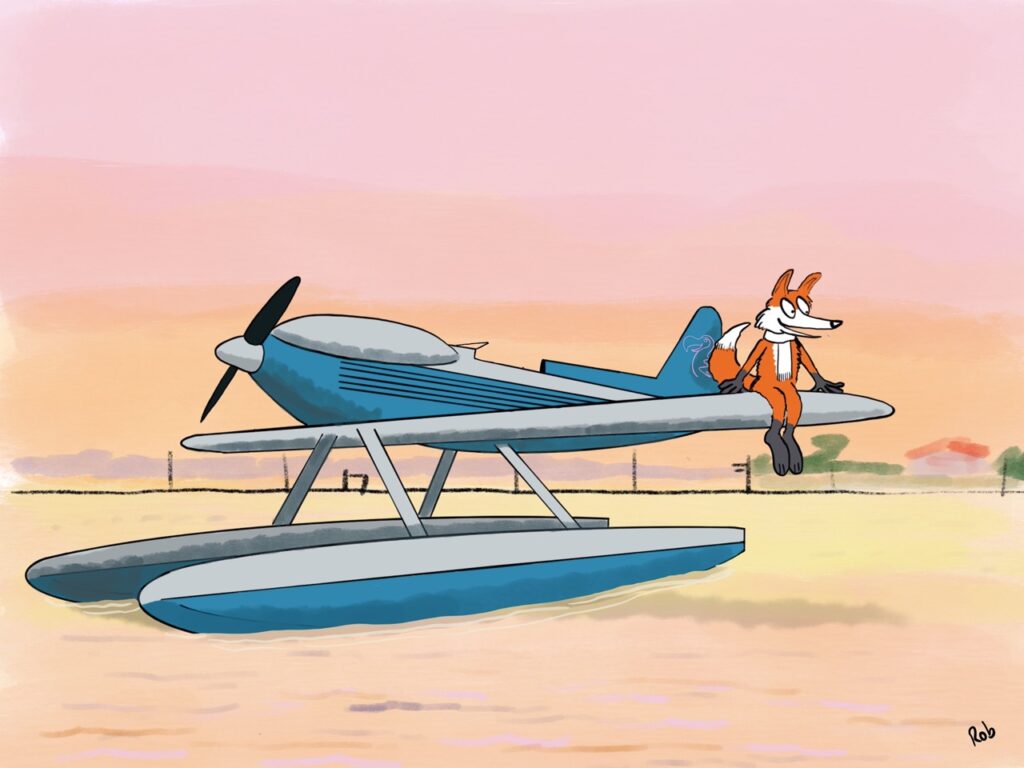
Maybe you’ve flown in one – floatplane tours, bush flying, whatever. Perhaps you’re fascinated by Schneider Trophy history or wartime flying boats. Could be you’re interested in their civilian airline role or modern use.
Or you just appreciate aircraft designed for a specific purpose and doing it brilliantly.
I’ll draw your seaplane story. Specific types, particular operations, racing seaplanes, whatever it means to you.
What I Can Do
Know what you want? Tell me. Working it out? That’s fine. Catalinas on patrol, Schneider racers, civilian flying boats, modern floatplanes, whatever tells your story.
Seaplanes are distinctive. Floats, flying boat hulls, the unique design requirements – all recognizable.
Why Seaplanes Matter
They proved water could be a viable runway. That opened up the world when land airports were rare. Essential for early long-distance aviation.
The racing developments influenced fighter design. The Spitfire exists partly because of Schneider Trophy seaplanes. That heritage matters.
The Engineering
Designing aircraft for water operations requires solving unique problems. Hydrodynamics and aerodynamics. Corrosion resistance. Beaching gear for getting ashore. Weight management because water takeoff is harder than land.
Engineers solved these problems repeatedly. Each generation of seaplanes improved.
The Decline
Long-range land planes and more airports killed most seaplane operations. Why deal with water operations when you can use runways?
But in specific roles – bush flying, fire-fighting, remote area access – seaplanes remain unbeatable. Still the right tool for certain jobs.
Let’s Draw Your Seaplane
Whether you’ve flown in them, you’re fascinated by their history, or you appreciate specialized aircraft doing specialized jobs – let’s create something that celebrates it.
Been doing this long enough to know what makes seaplanes special. The racing heritage, the wartime operations, the unique capabilities – worth preserving.
Get in touch. Let’s sort out your seaplane cartoon.