

rob town
3 months ago

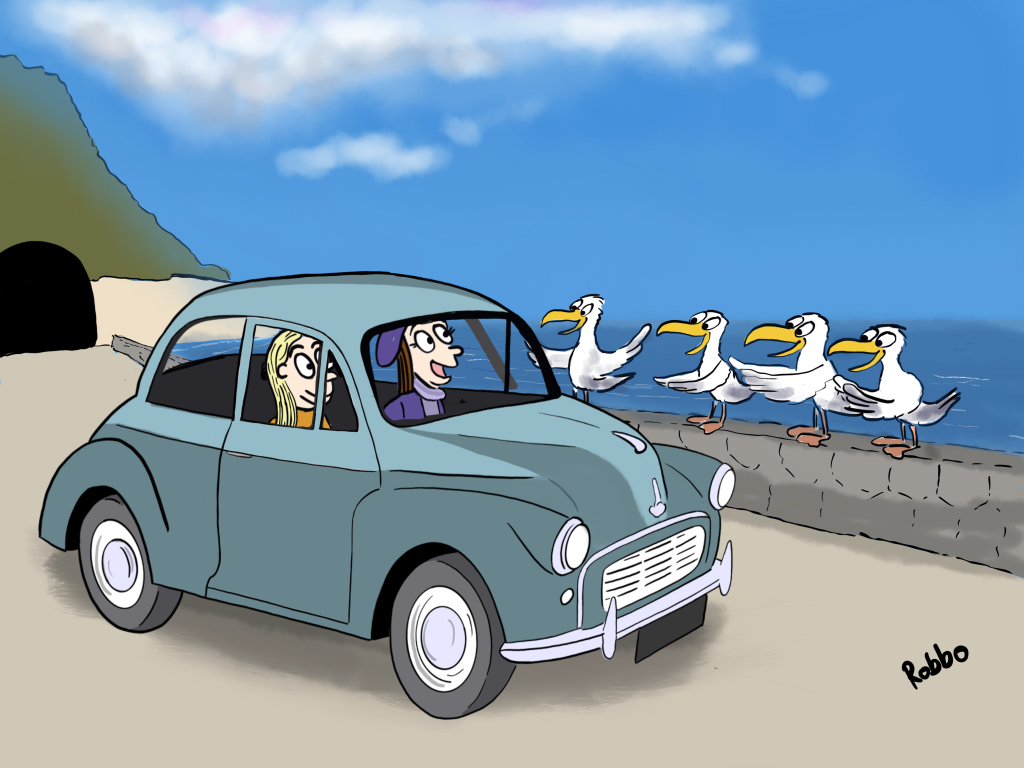

The beloved Morris Minor got nicknamed “Moggie” in Britain, “Morrie” in Australia and New Zealand. Built in eight different countries. That’s how good the design was – everyone wanted to build it.
The split windscreen on early models became distinctive. Two-door saloons, four-door saloons, convertibles, Traveller estates with that half-timbered rear, vans, pick-ups – Morris made versions for everything.
Series II from 1952 onwards got rid of the split windscreen, uprated the engine, improved things gradually. Never revolutionary changes, just steady improvement of a fundamentally sound design.
Morris Minors are everywhere at classic car shows. They’re affordable, parts are available, clubs are active, and they’re actually nice to drive. Not quick, but that was never the point.
Plenty of people learned to drive in Minors. First cars, family transport, delivery vans for small businesses. They were just part of British life for decades.
Restoration’s straightforward if you know what you’re doing. Rust’s the main enemy – check sills, floors, all the usual places. But mechanically they’re simple, reliable, fixable.
Own a Moggie? Then you know about that charm. Maybe it’s your first classic car, or you’ve had it decades. Perhaps it was in the family, or you bought it for sensible money and fell in love with it. Two-door, four-door, Traveller with the wood, convertible on summer days – each one’s got character.
I’ll draw your Morris Minor story. Any variant, any color, any year. The split-screen earlies, the later improved versions, that Traveller with the timber, all of them.
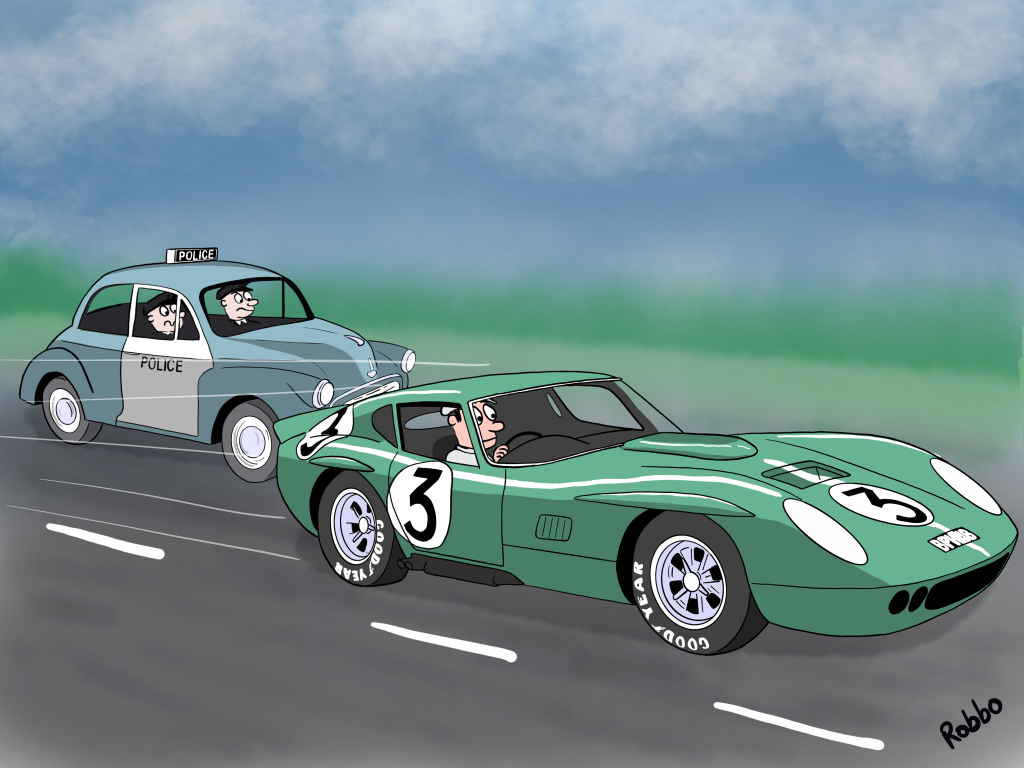
The Morris Minor put Britain back on wheels after the war. Alec Issigonis designed it – same bloke who later did the Mini – and created something genuinely special. First British car to sell a million. Over 1.6 million built between 1948 and 1971.
Autocar called it “a primary way Britain got back on the road after the Second World War.” They weren’t wrong.
Issigonis wanted to build a car for ordinary people. Not the cheapest, not the fanciest, just a really good small car that worked. Unitary construction, rack and pinker steering, torsion bar suspension – advanced stuff for 1948.
The original design was apparently too narrow, so they literally sawed the prototype in half and added four inches. Those distinctive headlights sitting proud of the bodywork? That’s why they’re there – didn’t fit in the original narrower wings.
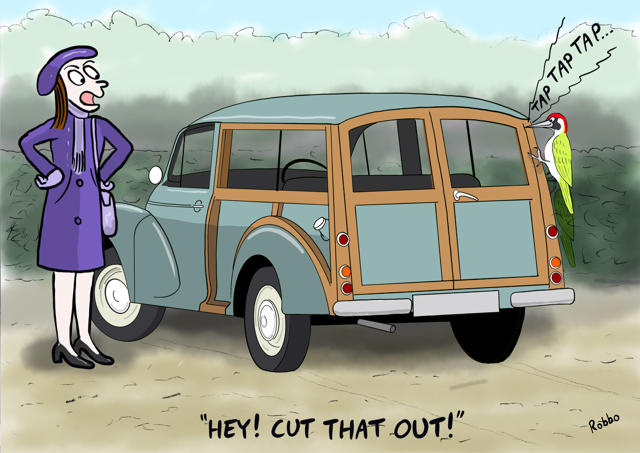
Morris Minor
Latest work
Enquire now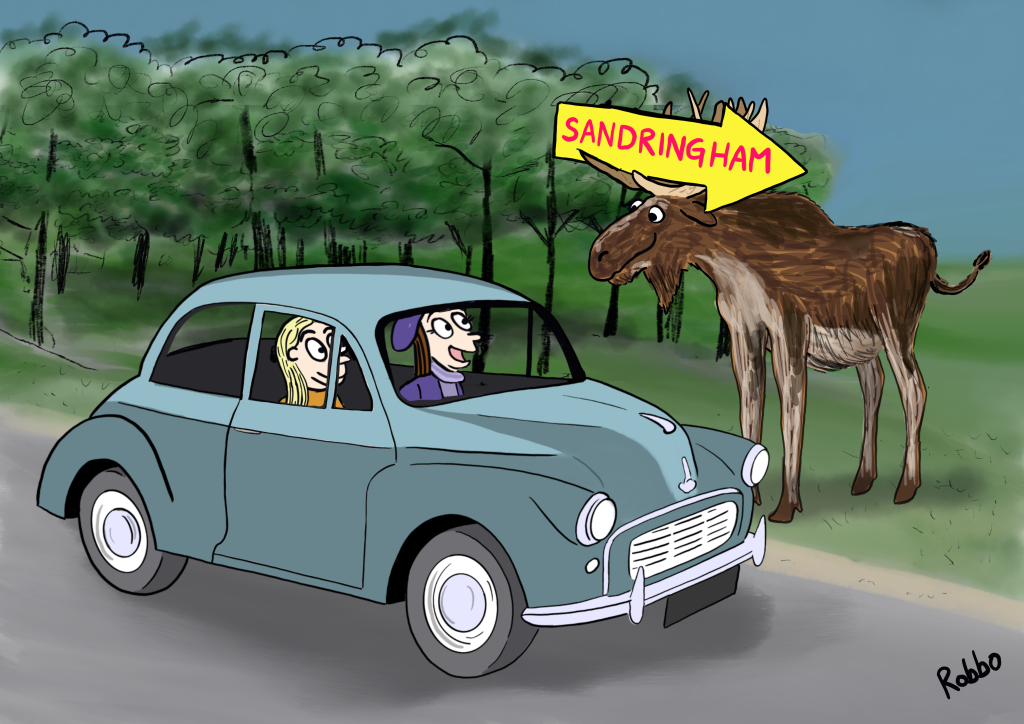
Clear idea? Great. Working it out? That’s fine. Your registration plate, you driving it, that car club meet, that memorable trip, whatever matters to you.
The distinctive profile’s instantly recognizable. Those proud headlights, the upright stance, the Traveller’s timber rear – all possible to capture.
It proved British engineering could make something simple, affordable, and actually good. No pretensions, no nonsense, just a well-designed small car that did what it was supposed to do.
Lasted 23 years in production with only evolutionary changes. That doesn’t happen unless you got it right first time. Modern cars are lucky to make ten years before they’re replaced.
First British million-seller. That’s significant. America had the Model T and VW Beetle. Britain had the Morris Minor.
Built across the world. Loved in Britain, Australia, New Zealand, everywhere they went. That’s because good design transcends borders. A well-made, practical, affordable car works anywhere.
You still see them being used, not just preserved. People drive them to work, use them for shopping, actually live with them. Not many 50-70 year old cars can say that.
Whether you own one, you learned to drive in one, or you just appreciate what the Morris Minor achieved – let’s get it drawn.
Been at this long enough to know what makes each Minor special. The split-screen charm, the Traveller’s practicality, the convertible’s sunny day appeal. They’ve all got something.
Get in touch. Let’s sort out your Morris Minor cartoon.