Armament
Eight .50 caliber machine guns. Four in each wing. Firing all eight simultaneously created devastating firepower. Could carry bombs and rockets too – eventually the P-47 became as much a ground-attack aircraft as a fighter.
That firepower and the ability to absorb battle damage made it exceptional for ground attack. Destroying trains, trucks, tanks, anything German forces had. Pilots called it the “Jug” with affection by the end – it brought them home.
Toughness
The P-47’s most important characteristic was survivability. Pilots came back with holes you could see through. Radial engines could lose cylinders and keep running. The aircraft could take damage that would have destroyed other fighters.
Stories abound of P-47s returning with massive battle damage. Missing chunks of wing, shot-up engines, shredded tails. The rugged construction brought pilots home alive. That builds loyalty.
Compared to German fighters that were lighter and often more maneuverable, the P-47 seemed crude. But crude and reliable beats sophisticated and fragile in combat.
European and Pacific Service
The P-47 served everywhere the USAAF fought. Europe from 1943 onwards, escorting bombers deep into Germany. The Mustang gets credit for long-range escort, but Thunderbolts did it first.
In the Pacific, Thunderbolts excelled at ground attack. Island-hopping campaigns needed close air support. The P-47’s armor, firepower, and toughness made it perfect for the job.
By war’s end, more Thunderbolts had been built than any other American fighter except the P-51 Mustang. Over 15,000 aircraft. That’s serious production.
Fighter-Bomber Role
The P-47’s evolution into a fighter-bomber made it invaluable. Could defend itself in air combat, then attack ground targets. The late-war P-47D and P-47M models carried rockets, bombs, napalm, whatever was needed.
D-Day and the subsequent European campaign relied heavily on P-47s providing close air support. Destroying German armor, strafing columns, disrupting supply lines. The ground forces appreciated having Jugs overhead.
Your P-47 Connection
Maybe family flew or maintained them. Perhaps you’re an aviation historian who appreciates what the Thunderbolt achieved. Could be you’ve seen the few remaining airworthy examples at shows and been moved by that radial engine sound.
Or you just appreciate aircraft that prioritized bringing pilots home alive. The P-47 wasn’t the most elegant fighter, but it was effective.
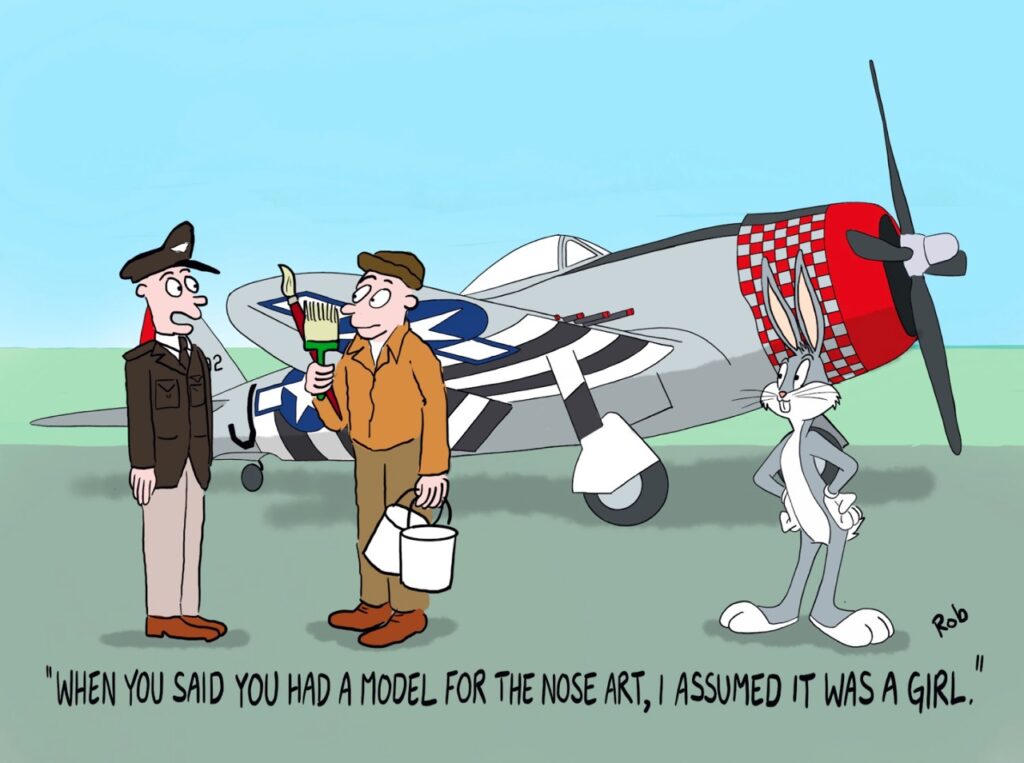
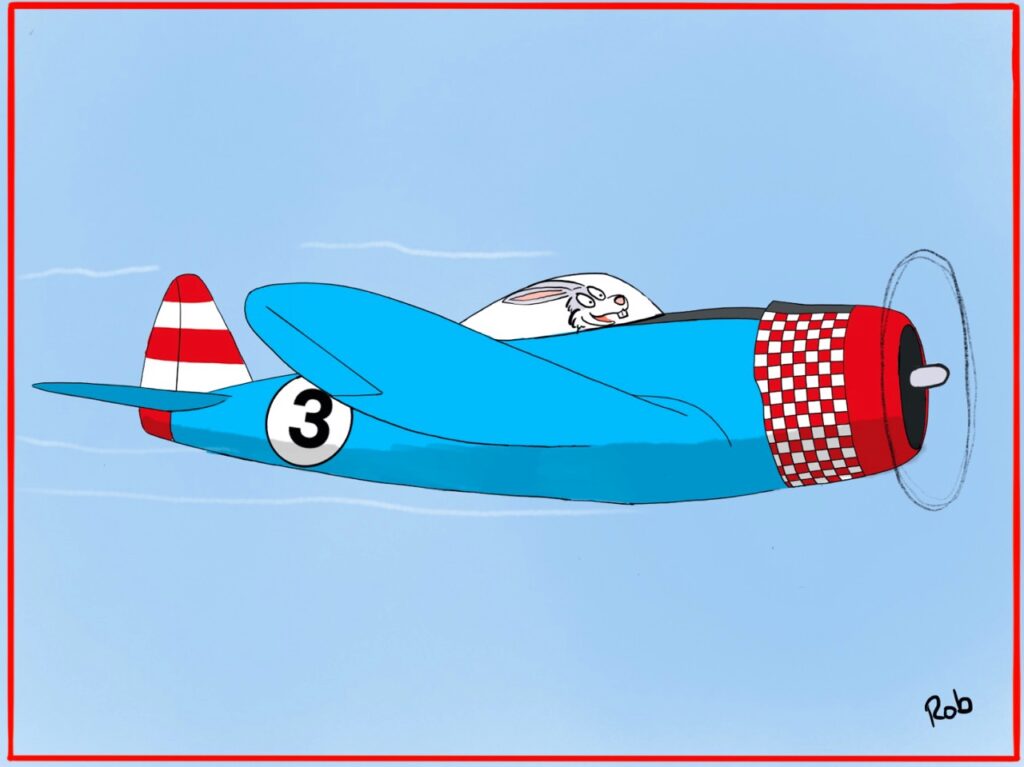
I’ll draw your P-47 story. Specific squadrons, particular aircraft with their nose art, famous pilots, whatever it means to you.
What I Can Do
Know what you want? Tell me. Working it out? That’s fine. Specific aircraft markings, squadron colors, combat scenes, individual aircraft with their names and artwork, whatever tells your story.
The P-47’s distinctive shape – that big radial cowling, the “razorback” early models or the bubble canopy later ones – makes it instantly recognizable.
Aces and Squadrons
The 56th Fighter Group flew P-47s throughout the European war. Francis Gabreski and Robert Johnson became aces flying Thunderbolts. The 352nd, 78th, numerous other groups flew them successfully.
In the Pacific, the “Sun Setters” of the 348th Fighter Group used P-47s effectively. Each squadron developed its own tactics, markings, identity.
Why the P-47 Matters
It proved that tough and reliable beats light and nimble in sustained combat. You can’t shoot down enemy aircraft if you don’t survive to fight another day. The P-47 brought pilots home.
Those eight .50 calibers and the ability to carry bombs made it versatile. Fighter, escort, ground attack – whatever the mission required. Multi-role before that term existed.
The Sound
Radial engines sound different from inline engines. That R-2800 at full power is distinctive. The few remaining airworthy P-47s at airshows let people hear what American pilots heard taking off for missions.
It’s a sound that meant hope if you were Allied forces under attack, and trouble if you were German forces on the ground.
Let’s Draw Your P-47
Whether you’re an aviation enthusiast, military history buff, have family connections, or just appreciate what the Thunderbolt achieved – let’s create something that celebrates it.
Been doing this long enough to know what makes the P-47 special. The rugged toughness, the firepower, the aircraft that brought pilots home – it’s worth preserving.
Get in touch. Let’s sort out your P-47 cartoon.