Infodoodles

Infodoodles: Making Complex Information Stick

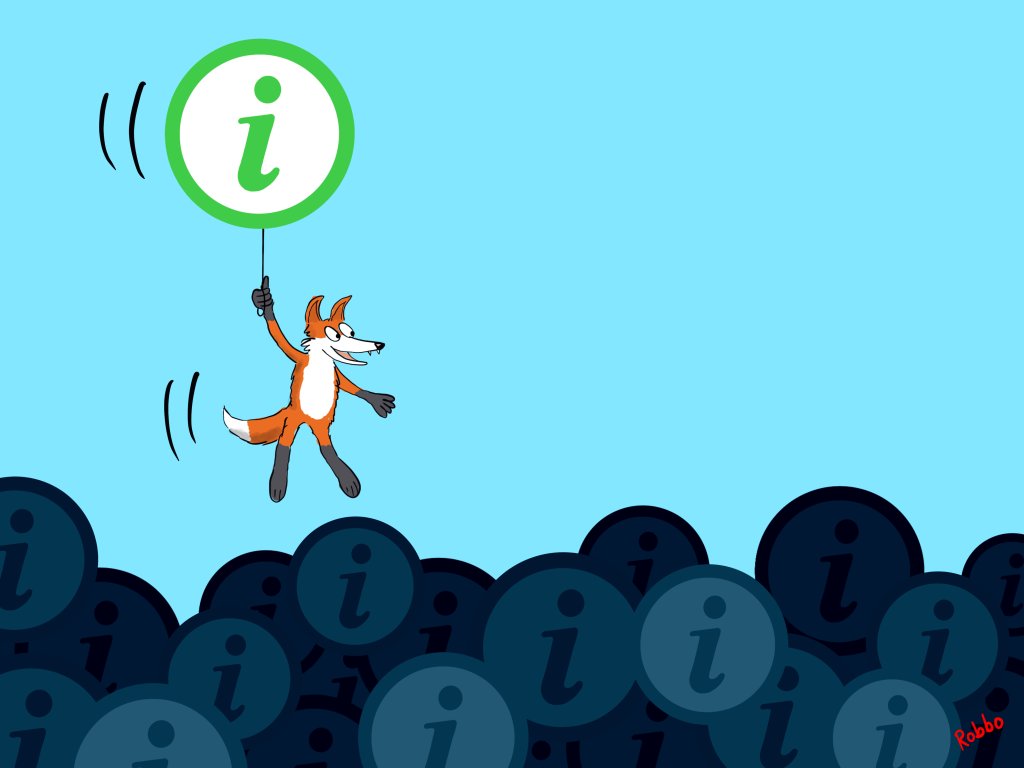
Information overload’s real. We’re drowning in it. Emails, reports, presentations, newsletters – endless text that blurs together. Most of it gets skimmed or ignored.

That’s where infodoodles come in.

An infodoodle’s a cartoon that communicates a key point instantly. Not decoration. Not entertainment (though it can be entertaining). It’s information delivery that actually works.

Why Cartoons Work

People are drawn to cartoons. Always have been. Magazine readership surveys proved it decades ago – cartoons consistently rank as the best-read and best-remembered content in anything they appear in.

There’s psychology behind this. Cartoons bypass our natural defenses against being sold to or lectured at. They distill complex ideas down to simple truths that click instantly. When a cartoon hits right, you get it immediately. That moment of recognition – “yes, exactly!” – creates instant agreement.

That’s powerful for communication.

What Makes a Good Infodoodle?

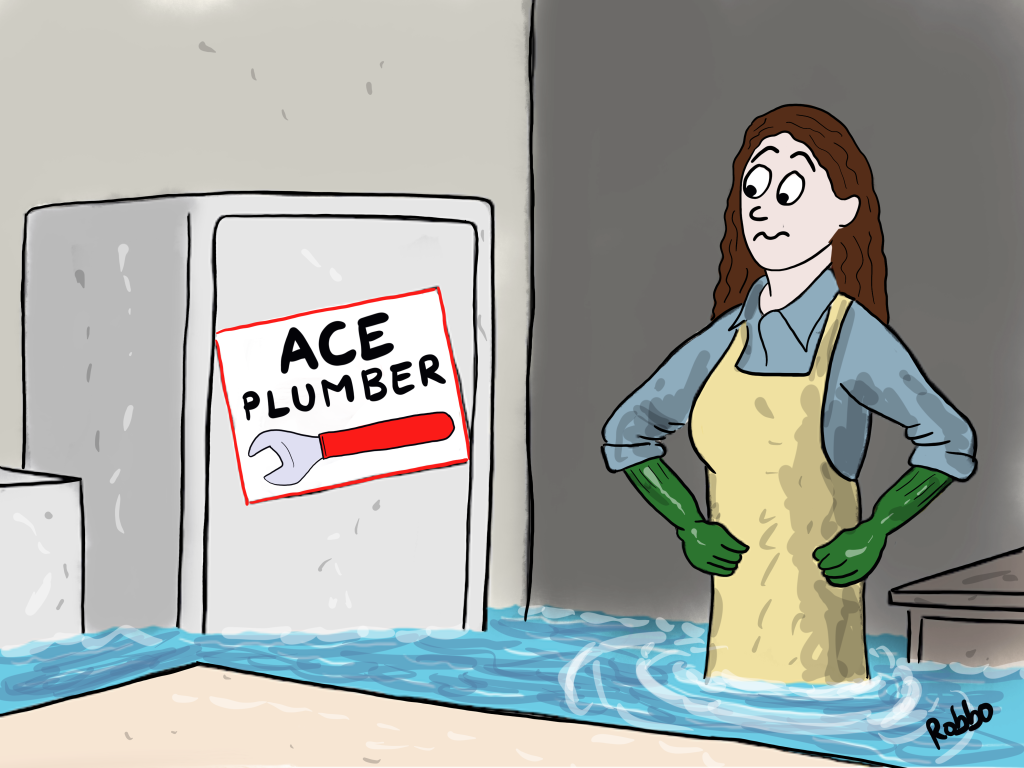
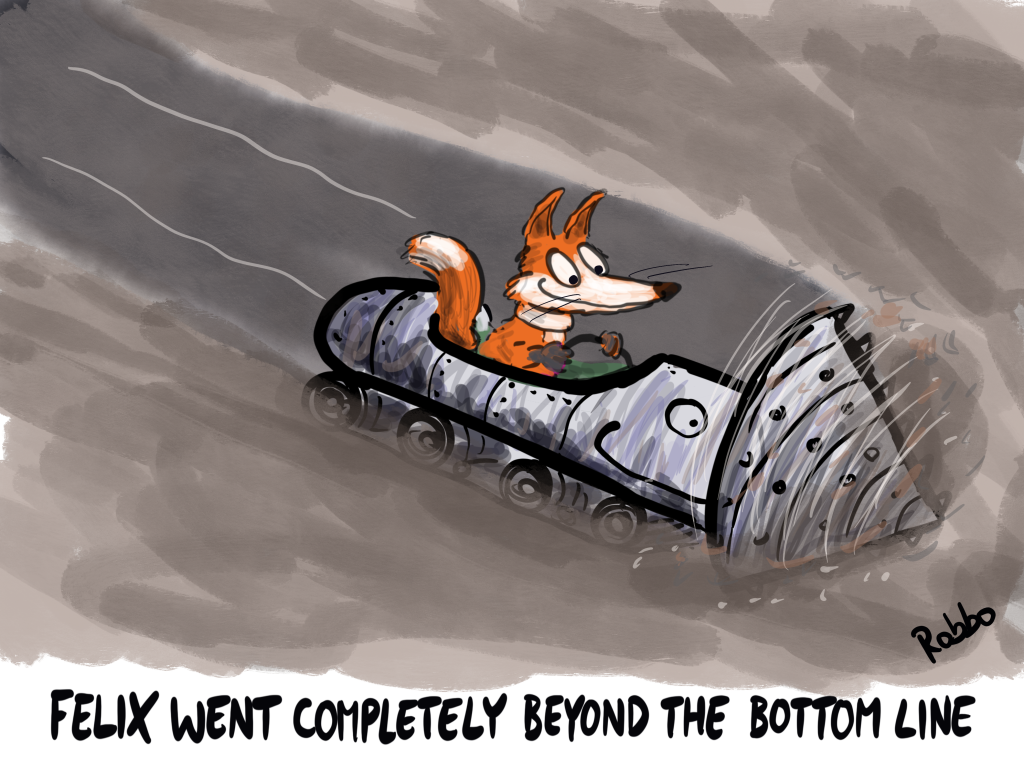
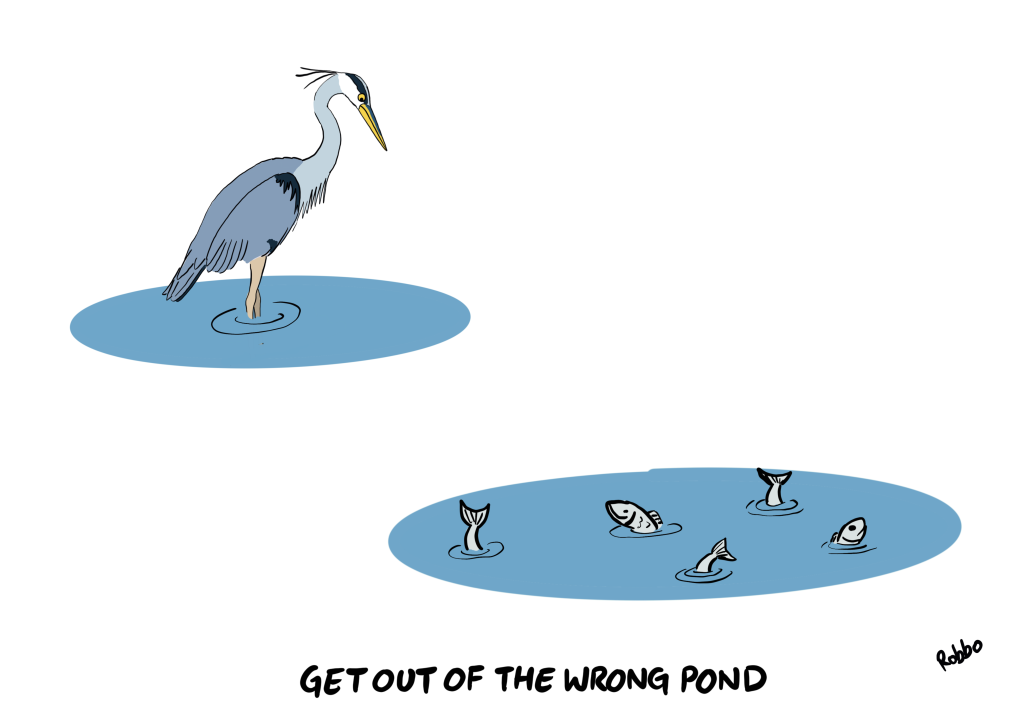
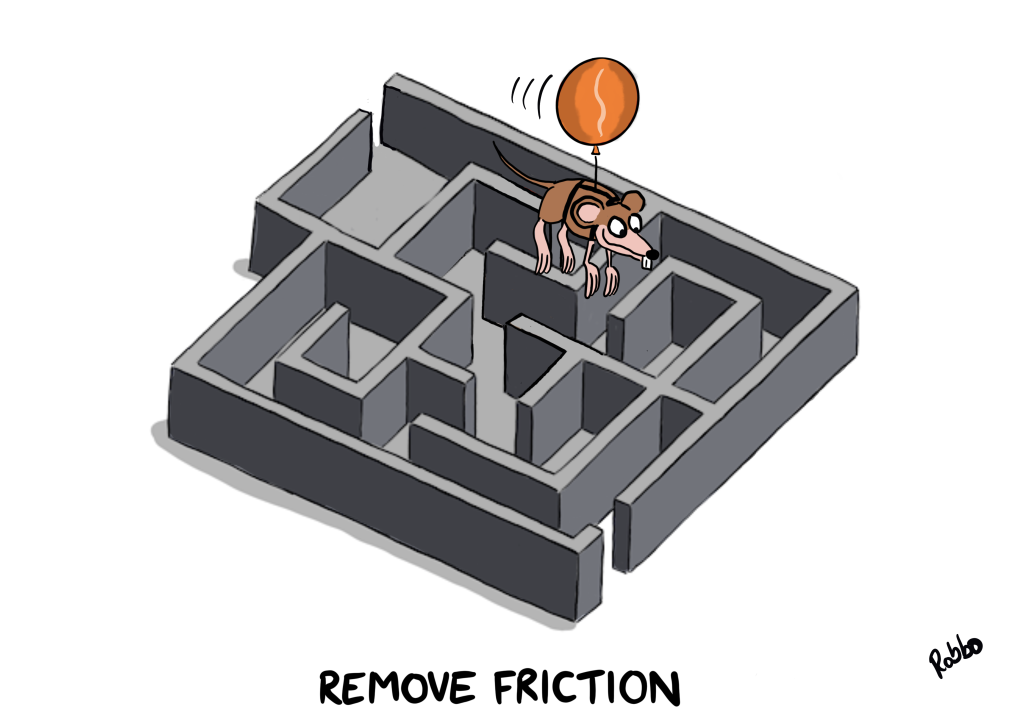
The best infodoodles reveal truth in a surprising way. Look at the examples here – data security shown as a guard dog sitting on database puzzle pieces. Data deletion as a bunny with flames. These aren’t just pretty pictures. They communicate concepts instantly that might take paragraphs to explain in text.

Complex frameworks and processes become instantly graspable when illustrated well. See it once, remember the concept. That’s the point.

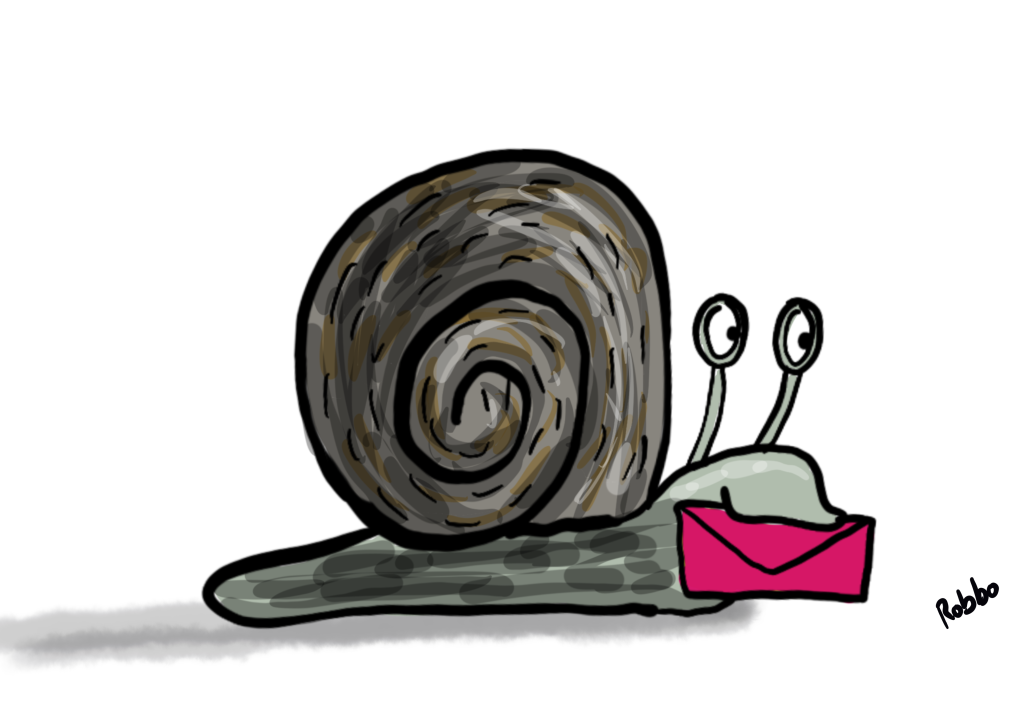
Good infodoodles focus on universal human experiences and needs. Everyone understands the frustration of slow quotes losing customers (the snail cartoon). The truth’s relatable, which makes it memorable.

Info cartoon

Where Infodoodles Work

Presentations get boring fast. Endless slides of bullet points. Add relevant cartoons and suddenly people pay attention. The cartoons break up the monotony, illustrate points clearly, keep audience engaged.

Email marketing? Subject line mentioning a cartoon inside gets opens. People want to see it. That’s engagement you can’t buy.

Reports and documents become more readable. Dense information gets overwhelming. Strategic cartoons guide readers through key points, make complex topics accessible.

Training materials benefit enormously. Explaining processes, highlighting important steps, making dry content actually memorable – infodoodles do all of this.

Social media loves visual content. Cartoons get shared. A well-crafted infodoodle explaining your service or addressing a client pain point can reach far beyond your immediate audience.
 

The Fridge Door Test

Here’s how you know an infodoodle works: would someone keep it?

Not just glance at it, but actually pin it up. On the fridge, office wall, bulletin board. Keep it visible because it’s useful or amusing or both.

That’s the standard. If your cartoon passes the fridge door test, you’ve created something valuable. People don’t keep boring things where they see them daily.

Getting It Right

Bad infodoodles fail because they focus on the wrong thing. Trying to inject your brand into the humor kills it. Making your company the hero of the cartoon makes it advertising, not communication.

The cartoon needs to be about the reader’s experience, not yours. Their challenges, their needs, their moment of recognition when they see their situation illustrated.

Composition matters too. The visual flow needs to make sense. Elements should guide the eye naturally to the key point. Messy composition leaves people confused about what they’re supposed to take away.

Context is essential. Random cartoons don’t work. The cartoon needs to relate to what you’re communicating. It should illuminate your point, not distract from it.


Practical Use

I use infodoodles to explain concepts to clients, break down processes, make proposals more engaging. Complex ideas become clearer when illustrated well.

They work in follow-up communications. After meetings, sending a cartoon that summarizes key discussion points makes your message memorable. People remember the cartoon, which reminds them of the conversation.

For difficult-to-reach people, cartoons can open doors. A well-chosen cartoon relevant to someone’s industry or challenges gets attention where generic outreach fails.

Infodoodle

The Bottom Line

Information overload isn’t going away. Getting your message through the noise requires different approaches.

Infodoodles cut through because they:

  • Communicate instantly
  • Create emotional connection
  • Get remembered
  • Break down defenses
  • Make complex ideas simple
  • Actually get kept and shared

Not every communication needs a cartoon. But when you’ve got important information that needs to stick, that needs to be understood quickly, that needs to cut through the noise – that’s when infodoodles prove their worth.

The goal isn’t making everything cute. It’s making your message land. Infodoodles do that by revealing truth in a way that clicks instantly and stays with people long after they’ve forgotten the rest of your communication.

Want to Try It?

Think about your key message. What’s the core truth you’re trying to communicate? What universal experience or challenge does it address?

That’s your starting point. The right infodoodle makes that truth visible instantly. And once people see it, they don’t forget it.

Info doodle